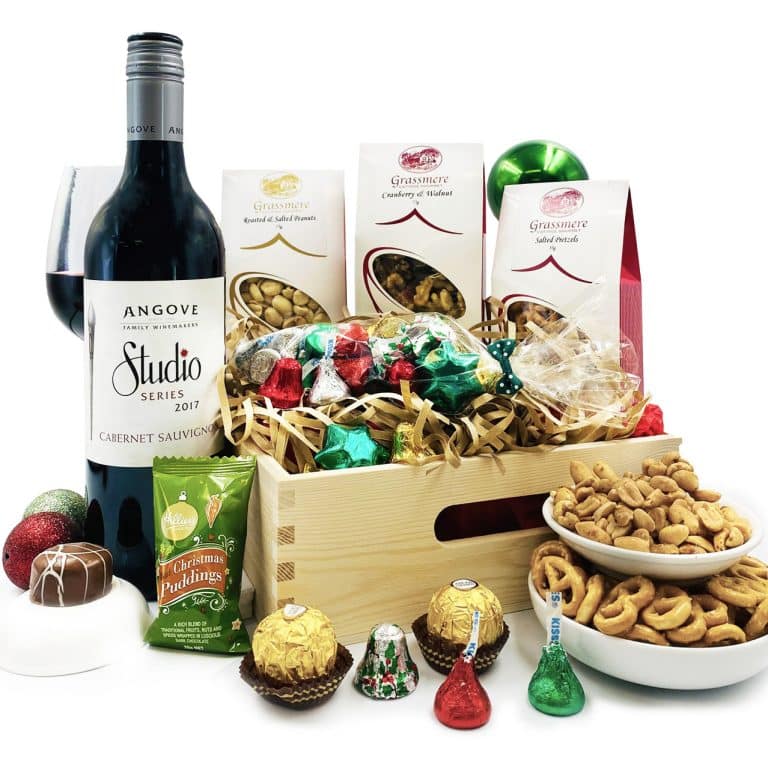
Packaging is the first handshake your product makes with customers. It can turn a simple item into a memorable experience—or, if done poorly, it can feel like a cold, impersonal greeting. In this article, we’ll answer the burning question: where can I find the best packaging options? We’ll explore the landscape of suppliers, break down the decision‑making process, and share practical tips that will help you choose packaging that protects, promotes, and performs.
---
Understanding Your Packaging Needs
Before you start hunting for the best packaging options, you need a clear idea of what your product requires. Think of packaging as a tailored suit: it has to fit the occasion, the client, and the brand.
Types of Packaging
- Primary packaging – the material that directly contacts the product (e.g., blister packs, glass jars, or vacuum‑sealed bags). Secondary packaging – the outer layer that groups primary units (e.g., cardboard boxes, shrink wrap). Tertiary packaging – used for bulk shipping and storage (e.g., pallets, crates).
Key Considerations
- Product protection – Does the packaging shield against vibration, moisture, or light? Brand alignment – Does the design reflect your brand’s personality and values? Cost efficiency – How does the material cost compare to the product price? Sustainability – Are the materials recyclable or biodegradable?
Knowing these factors early on will guide you toward the right suppliers and materials.
---
Top Places to Search for Packaging Solutions
There are three main hunting grounds when you’re on the lookout for the best packaging options: online marketplaces, local suppliers, and specialized eco‑friendly providers. Each has its own strengths and trade‑offs.
Online Marketplaces
Websites like Alibaba, Uline, and Packlane offer a vast catalog of packaging styles and https://zenwriting.net/rillentexb/h1-b-bulk-christmas-hampers-with-branded-packaging-the-ultimate-holiday sizes. They’re great for:
- Quick price comparisons – You can pull up dozens of options in seconds. Bulk ordering – Many platforms allow you to place large orders with a single click. Custom printing – Upload your logo and design files for a personalized touch.
The downside? Shipping times can be long, and quality control may vary between vendors.
Local Suppliers
Local packaging companies often provide a more personalized experience. They’re ideal if you:
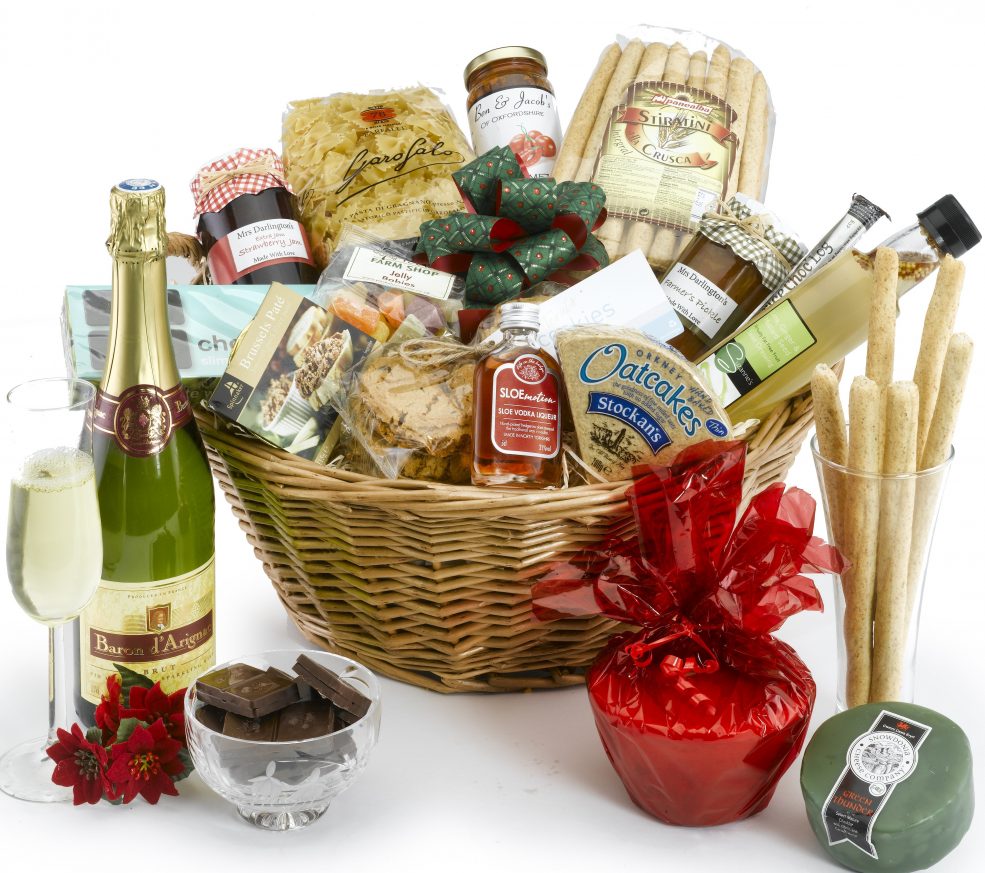
- Need rapid prototyping – Test a few samples before committing. Prefer face‑to‑face negotiations – Discuss customization, pricing, and turnaround times in person. Want to support local businesses – A small win for your community.
However, local suppliers might have limited material choices and Myer higher per‑unit costs.
Specialized Eco‑Friendly Providers
If sustainability is a core brand promise, look for suppliers that focus on green packaging. These firms typically offer:
- Recycled or compostable materials – From paper pulp to plant‑based plastics. Carbon‑neutral shipping – Reducing your environmental footprint. Certification labels – Such as FSC or Cradle to Cradle, which can boost consumer trust.
The trade‑off? Eco‑friendly options can be pricier and may have stricter lead times.
---
How to Evaluate and Compare Options
Once you have a shortlist of potential suppliers, it’s time to evaluate them against a set of criteria. Think of this step as a rigorous taste test before you commit to a new brand of coffee.
Cost vs. Quality
- Unit cost – Compare the price per package at various order volumes. Durability tests – Ask for samples and conduct drop tests or compression tests. Return policy – A generous return policy can mitigate the risk of a poor first batch.
Customization Capabilities
- Printing options – Full‑color, spot UV, embossing, or die‑cut features? Design flexibility – Are there pre‑designed templates, or can you upload your own artwork? Minimum order quantities – Do they accommodate your current production size?
Sustainability Metrics
- Material certifications – Look for labels that verify recycled content or renewable sourcing. Waste reduction – Does the supplier offer packaging redesign to cut excess material? Life‑cycle assessment – Some companies provide a full environmental impact report.
Balancing these factors will help you pinpoint the supplier that best aligns with your brand’s priorities.
---
Tips for Negotiating and Ordering in Bulk
Buying in bulk can unlock significant savings, but only if you play your cards right. Below are proven tactics to squeeze the most value out of large orders.
Negotiation Tactics
- Ask for volume discounts – Most suppliers offer tiered pricing. Request a free sample pack – Use it to validate quality before committing. Bundle orders – Combine packaging with other supplies (labels, tape) to negotiate a package deal.
Ordering Smartly
- Plan ahead – Place orders at least 4–6 weeks before your launch to avoid rush fees. Use a buffer stock – Keep a small reserve to cushion against supply chain hiccups. Track shipments – Opt for suppliers that provide real‑time tracking and proactive alerts.
Remember, the goal is to create a win‑win: the supplier secures a sizable order, and you get the best price without sacrificing quality.
---
Case Study: From Chaos to Cohesion
When Sarah launched her artisanal soap line, she found herself juggling dozens of suppliers for packaging, each offering a different set of colors, sizes, and costs. The result? A disjointed brand image that confused customers.
She decided to use an online marketplace to pull a comprehensive list of potential options, then narrowed it down to three suppliers based on cost, sustainability, and customization. After a round of sample testing, she chose a local eco‑friendly provider that offered recycled cardboard boxes with a custom embossing option. The switch not only unified her brand aesthetic but also cut packaging costs by 18% and reduced waste by 30%.
“Packaging is not just a box; it’s a story,” Sarah says. “When you get it right, it tells your brand’s narrative before the first touch.”
---
The Final Checklist
Before you place that order, run through this quick checklist:
- Product fit – Does the packaging protect and present the product effectively? Brand alignment – Does the design reflect your brand’s tone and values? Cost structure – Are you getting the best price for the volume you need? Sustainability – Does the supplier meet your environmental standards? Lead time – Will the supplier deliver on schedule?
If you tick all the boxes, you’re ready to move forward confidently.
---
Making Your Selection Count
Choosing the right packaging is more than a logistical decision; it’s a strategic investment that can elevate your brand, protect your product, and delight your customers. By understanding your needs, exploring diverse sourcing options, rigorously evaluating suppliers, and negotiating smartly, you’ll uncover the best packaging options that fit your budget and vision.
So, the next time you’re wondering where can I find the best packaging options, remember that the answer isn’t a single location—it’s a journey through a landscape of suppliers, materials, and creative possibilities. Take the time to research, test, and choose wisely, and you’ll give your product the perfect first impression—one that lasts long after the box is opened.